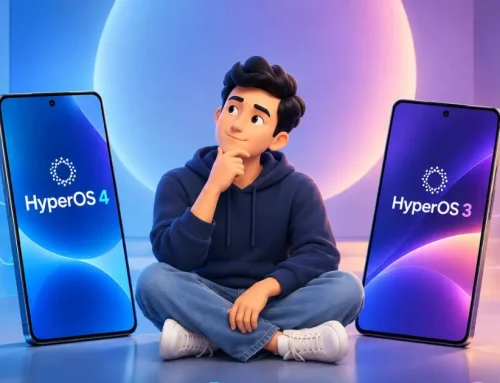
Oxygen OS 16.1 vs One UI 9: which Android UI feels faster, smarter, and more useful

Introduction
When you put Oxygen OS 16.1 vs One UI 9 side by side, the difference isn’t just about looks. It’s about how the phone feels after the first five minutes, and honestly, that’s what most people end up caring about. OnePlus is pushing a cleaner, more polished direction with Live Space, while Samsung is leaning into deeper control and smarter features. So the real question is simple: which one is easier to live with every day?
Quick Highlights
- Oxygen OS 16.1 feels quicker and more lively.
- One UI 9 offers stronger AI and deeper control.
- Live Space is OnePlus’s big lock screen move.
- Samsung’s Good Lock adds serious customization.
- The better UI depends on how you use your phone.
The interesting part is that both interfaces are trying to be more than just “pretty skins” on Android. Oxygen OS 16.1 brings in Live Space, contour glow, and better home screen tools. One UI 9 answers with blur effects, privacy signals, and a wider AI toolbox. And that’s where the comparison gets interesting, because speed is only half the story. The other half is usefulness, and that’s where people usually notice the difference after a week or two.
What Oxygen OS 16.1 changes before the comparison even starts
OnePlus is clearly moving toward a more polished, almost Apple-like visual language, but it’s not giving up the fast and fluid feel that made Oxygen OS popular in the first place. Oxygen OS 16.1 review discussions keep circling back to the same thing: the update feels more finished. You get Live Space, a redesigned lock screen media player, contour glow, stronger home screen tools, and a cleaner camera interface. That’s a lot of change in one go.
The standout details are easy to notice once you start using it. Live Space shows live activities for music playback, timers, navigation, deliveries, and more. The settings page also tells you which apps support those features, which is helpful instead of confusing. And the media player now feels much more complete, with full-screen album art, playback controls, and output switching right there when you need them.
It’s not just cosmetic either. Oxygen OS 16.1 also adds organize-by-category and organize-by-color layout tools, plus layout history, scalable icons, Flux themes integration, and a battery statistics page with more information. In other words, this update is trying to make the phone feel smarter without slowing it down.
Live Space on the lock screen and the new media player
Live Space is OnePlus’s answer to Samsung’s Now Bar, but it’s clearly built for quick glances instead of deep interaction. That matters more than it sounds like. If you’re checking music playback, a timer, or delivery updates, you probably don’t want to dig through menus. The redesigned media player fits that same idea. Full-screen album art, playback controls, and output switching make the lock screen feel much more intentional, less like a random add-on.
And here’s the thing: little changes like that can make a phone feel better all day long. You don’t always notice them in screenshots, but you feel them every time you unlock the device.
Home screen tools, contour glow, and the new visual finish
The home screen side gets the heavier lift in this update. Scalable icons, scalable folders, organize by category, organize by color, and layout history all make it easier to tune the phone the way you want. Contour glow changes the control center and notification panel with a liquid-glass feel, and Flux themes 2.0 makes the whole thing look more connected. So even when nothing dramatic is happening, the UI has a bit more presence.
That visual finish is a big part of the appeal. It’s not shouting at you. It just feels modern in a way that makes older Android skins look a little flat.
What One UI 9 actually adds beyond the usual Samsung polish
Samsung’s update is quieter visually, but it’s broader in utility. One UI 9 leans on blur, transparency, better layout control, privacy signals, and a deeper set of AI-adjacent tools than OnePlus is offering here. That combination gives it a more mature feel, even if it doesn’t always look as dramatic at first glance.
The quick settings panel now allows more free resizing of toggles, the dark mode button and mute toggle are separated from the brightness and volume sliders, and the new Now design feels layered and more deliberate. It’s the kind of polish that doesn’t scream for attention, but you notice it once you start using the phone regularly.
There’s also a lock screen media player with waveform animations, circular playback controls, and color-adaptive progress bars based on album art. Samsung even adds a blue-dot privacy indicator when an app accesses location in the background, which is one of those small trust-building details that actually matter in daily use.
Quick settings changes, privacy indicators, and redesigned system pages
Samsung refined settings, Samsung account, routines, digital wellbeing, and parental controls so the UI feels more organized. That may not sound exciting on paper, but in practice it makes the whole system easier to understand. The privacy signal is clear too: the blue dot joins the existing camera and microphone indicators when background location access happens. So if something is using your location, you’ll know.
That kind of clarity is underrated. A lot of Android features are only impressive until they get messy. One UI 9 seems designed to stay readable.
Game Booster, Samsung Notes, calls, and Creative Studio
Game Booster now shows FPS, CPU usage, and GPU usage, and it lets you change performance modes and disable auto brightness. Samsung Notes gets “tape” for hiding sensitive parts before sharing a screenshot, recent call history appears at the top during calls, and Creative Studio is now built into Contacts for personalized AI-based contact profile cards. That’s a pretty broad set of upgrades, and it shows Samsung is thinking about more than just the home screen.
In day-to-day use, that breadth makes a difference. It means the phone is useful in small, practical ways across different apps, not just in a few showcase moments.
Which UI is faster, and which one gives you more control
Oxygen OS 16.1 wins on motion and perceived speed. One UI 9 wins on control, but it does so in a way that feels measured rather than flashy. If you’re the kind of person who notices animation smoothness right away, Oxygen OS will probably grab you faster.
OnePlus uses enhanced mode and parallel animations, and the difference shows when opening and minimizing 20 apps back to back. Transitions like an app icon expanding into the app window feel more seamless, and the Now Bar versus Live Space comparison also lands in OnePlus’s favor for smoothness. It just feels like the UI is moving with a bit more confidence.
Samsung is intentionally more restrained. That restraint gives One UI 9 a calmer feel, but it is not as fast or energetic as Oxygen OS. So if your first instinct is “which one feels lighter in my hand?”, OnePlus has the edge.
Animation speed and the 20-app open/close test
The clearest edge for Oxygen OS is the way it handles repeated motion. In the 20-app open and minimize test, parallel animations and enhanced mode keep the interface from feeling rough or delayed. That may sound niche, but it’s the kind of thing you notice when you switch apps a lot during the day.
Basically, Oxygen OS behaves like a phone that wants to keep up with you, while One UI 9 behaves like a phone that wants to stay organized first.
Quick settings customization versus visual styling
One UI 9 lets you resize toggles much more freely, while also keeping notification clutter under control by grouping notifications from the same app. Oxygen OS answers with contour glow, liquid-glass-style visuals, and more striking lock screen and home screen customization. So the tradeoff is pretty clear: Samsung gives you structure, OnePlus gives you style.
| Area | Oxygen OS 16.1 | One UI 9 |
|---|---|---|
| Motion | Enhanced mode, parallel animations, smoother app launches | More restrained and deliberate |
| Quick settings | Visual flair, contour glow | Resizable toggles, cleaner notification grouping |
| Home screen / lock screen | Scalable icons, scalable folders, layout history, Flux themes 2.0 | Better structure, but less dramatic visually |
Why Samsung still wins on AI features and long-term usefulness
One UI 9 is the stronger AI package by a clear margin. The quality is better, the outputs feel more reliable, and Samsung gives you more options around privacy and on-device processing. That last part matters more than people sometimes realize, because it changes how comfortable the phone feels when sensitive information is involved.
AI call translate, call summary, and AI-powered call screening all sound more polished on Samsung. Live transcribe in the Record app is especially strong for mixed English and Hindi meetings, and the final summary is better too. If you deal with calls, voice notes, or multilingual conversations, Samsung’s version feels like it was designed with real usage in mind.
Samsung also lets you process AI data on the phone itself, which improves privacy even if it disables some cloud-based features. That tradeoff feels more serious than anything OnePlus is offering right now, and it gives One UI 9 a stronger long-term case.
AI call translate, live transcribe, and on-device processing
For practical AI use, Samsung looks ahead. AI call translate Samsung, call summary, AI-powered call screening, and live transcribe in the Record app all land more cleanly than the OnePlus equivalents, especially when the conversation switches between English and Hindi. That’s not just a technical win. It’s a usefulness win.
Look, a lot of AI features are fun to demo once. Samsung’s are more likely to be used again next week.
What Oxygen OS still does well in AI
OnePlus is not empty here. Mind Space is useful, the foreign menu translation feature is genuinely niche in a good way, and the upgraded document scanner can recognize handwriting. Its AI photo editing is also capable, even if Samsung still has the edge overall. So if you’re not deep into AI features, Oxygen OS still gives you enough to feel modern.
It just doesn’t match Samsung’s breadth or polish. That’s the honest version.
AI photo editing and extra tools like sketch to image
Both phones handle AI photo editing well, but One UI 9 goes further with sketch to image and style changes for photos. That extra layer makes Samsung feel more complete if you care about editing more than just summarizing or translating. It’s another example of Samsung doing the slightly more ambitious version of the same idea.
And honestly, that matters when you start using these tools outside a review demo.
Which one should you pick if you care more about speed, customization, or AI
Oxygen OS 16.1 is the better fit if you want speed, smoother animations, and more visually exciting lock screen and home screen customization. One UI 9 is the better choice if you care more about AI quality, better-tuned features, and the flexibility of Good Lock. They’re both good, just in different ways.
Samsung also has the stronger software update promise, which matters if you want the UI to stay useful for longer. If you like customizing deeply, One UI 9 with Good Lock is probably the safer bet; if you want the interface to feel lively every time you unlock the phone, Oxygen OS 16.1 has the stronger personality. That’s the real split.
So, if you want to keep things simple: choose OnePlus for motion and flair, choose Samsung for control and smarter tools. Neither answer is wrong. It just depends on what annoys you less and what you enjoy more.
FAQ
These are the smaller questions people usually have after the main comparison—things that come up once the big speed-versus-AI decision is already obvious.
Q: Is Oxygen OS 16.1 faster than One UI 9?
Yes, Oxygen OS 16.1 feels faster and more energetic. The enhanced mode, parallel animations, and smoother app transitions give it the edge in perceived speed.
Q: Does One UI 9 have better customization than Oxygen OS 16.1?
It depends on what kind of customization you mean. One UI 9 gives you deeper control in quick settings, while Oxygen OS 16.1 looks more dramatic on the home screen and lock screen.
Q: Which phone UI is better for AI features?
One UI 9 is clearly ahead. AI call translate Samsung, live transcribe, call summary, and AI-powered call screening all feel more polished and reliable.
Q: What is Live Space on Oxygen OS 16.1?
It’s OnePlus’s lock screen live-activity area, similar to Samsung’s Now Bar. It can show music playback, timers, navigation, deliveries, and other live updates.
Conclusion
If you want the better Oxygen OS 16.1 review takeaway in one line, it’s this: OnePlus wins on speed and visual energy, while Samsung wins on AI depth and practical control. That makes Oxygen OS 16.1 the more exciting interface, but One UI 9 the more complete one.
Pick the one that matches how you actually use your phone, not the one that looks best in a side-by-side clip.