OWS Earbuds vs TWS Earbuds What Actually Changes for Comfort, Sound, and Awareness

Introduction
When people compare OWS earbuds vs TWS earbuds, the conversation usually starts with sound. But honestly, that’s only part of the story. The bigger difference shows up in how they feel after an hour, how much of the world you can still hear, and whether you want your earbuds to disappear into the background or stay softly connected to what’s happening around you.
The real question is not which one sounds better in a vacuum, but which one fits the way people actually wear earbuds now: through work calls, walks, gym sessions, commuting, and hours of background listening. That’s where the gap between a sealed design and an open one gets a lot more interesting.
Quick Highlights
- Sealed earbuds still win for isolation and private listening.
- Open-ear designs feel easier to wear for long stretches.
- Awareness matters more during walking, commuting, and workouts.
- Sound tuning becomes more important when there’s no ear seal.
- Features like Bluetooth 6.0 and IP67 now matter in daily use.
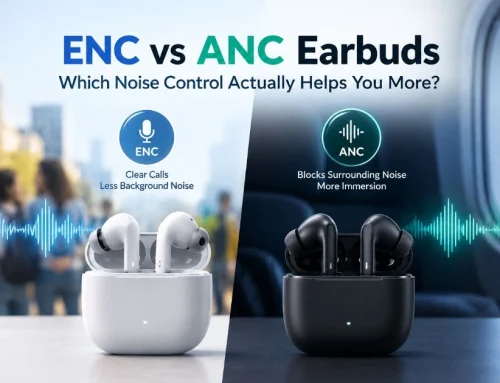
What TWS earbuds still do better when you want isolation
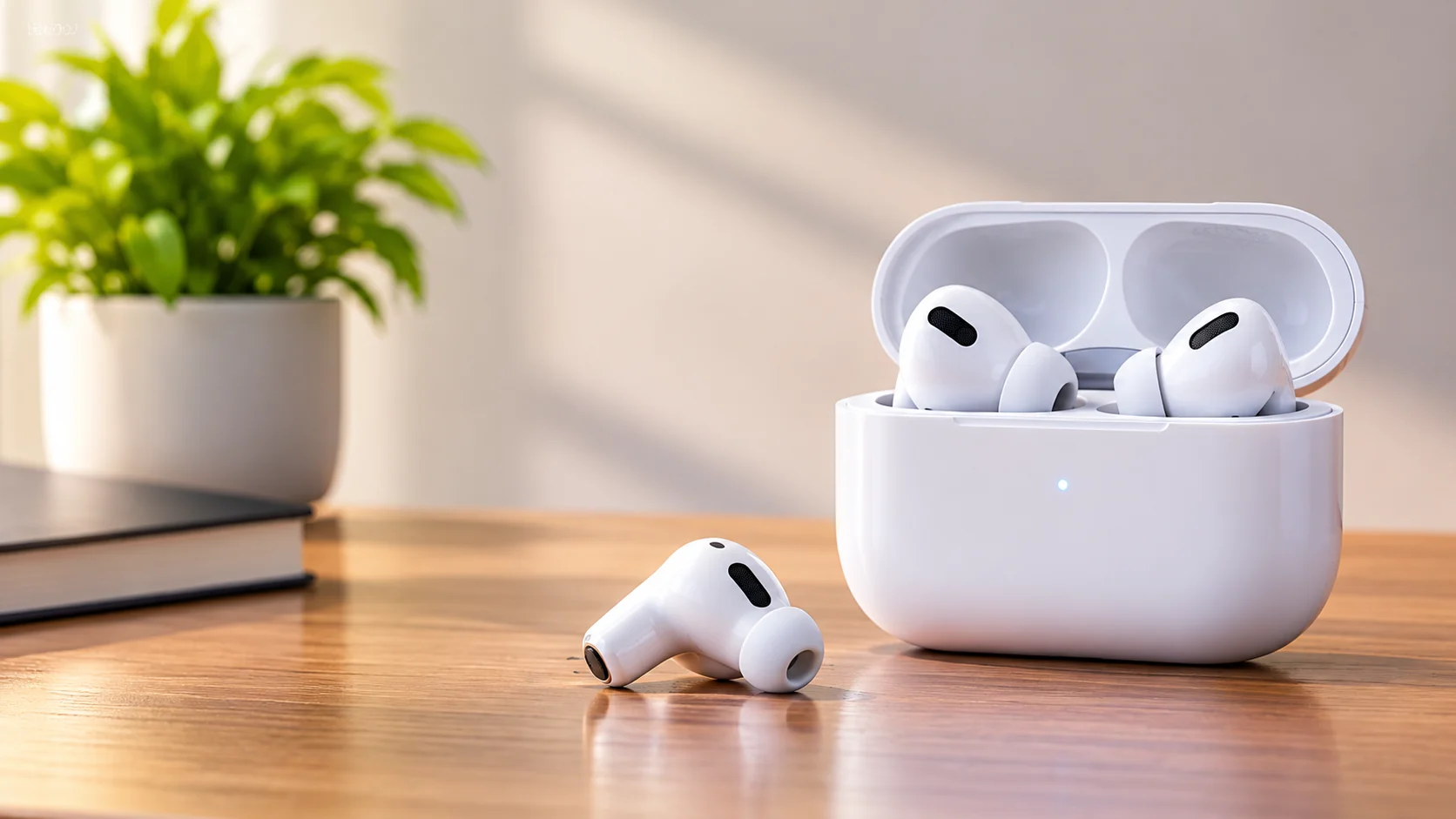
Traditional TWS earbuds still make the strongest case for private listening, because the in-ear seal blocks outside noise and makes music feel more contained. That sealed fit changes the whole experience. It gives you that little bubble people often want when they’re trying to focus, tune out the office, or make a noisy commute feel less exhausting.
That matters on trains, planes, buses, noisy streets, and in focused environments like a busy cafe or a flight, where stronger bass and less distraction are still the point. In those situations, the seal isn’t just a comfort feature. It’s part of the sound itself. The bass feels fuller, details come through more clearly, and you don’t have to turn the volume up as much to get into the music.
The tradeoff is obvious: pressure in the ear canal, fatigue over long wear, and a seal that can loosen if the ear tip does not match the user’s ear shape. You might notice this if earbuds feel fine at first and then slowly become annoying. That’s a very common story, and it’s why people who once loved in-ear earbuds sometimes start looking for something different later on.
Why open-ear earbuds feel so different once you wear them all day
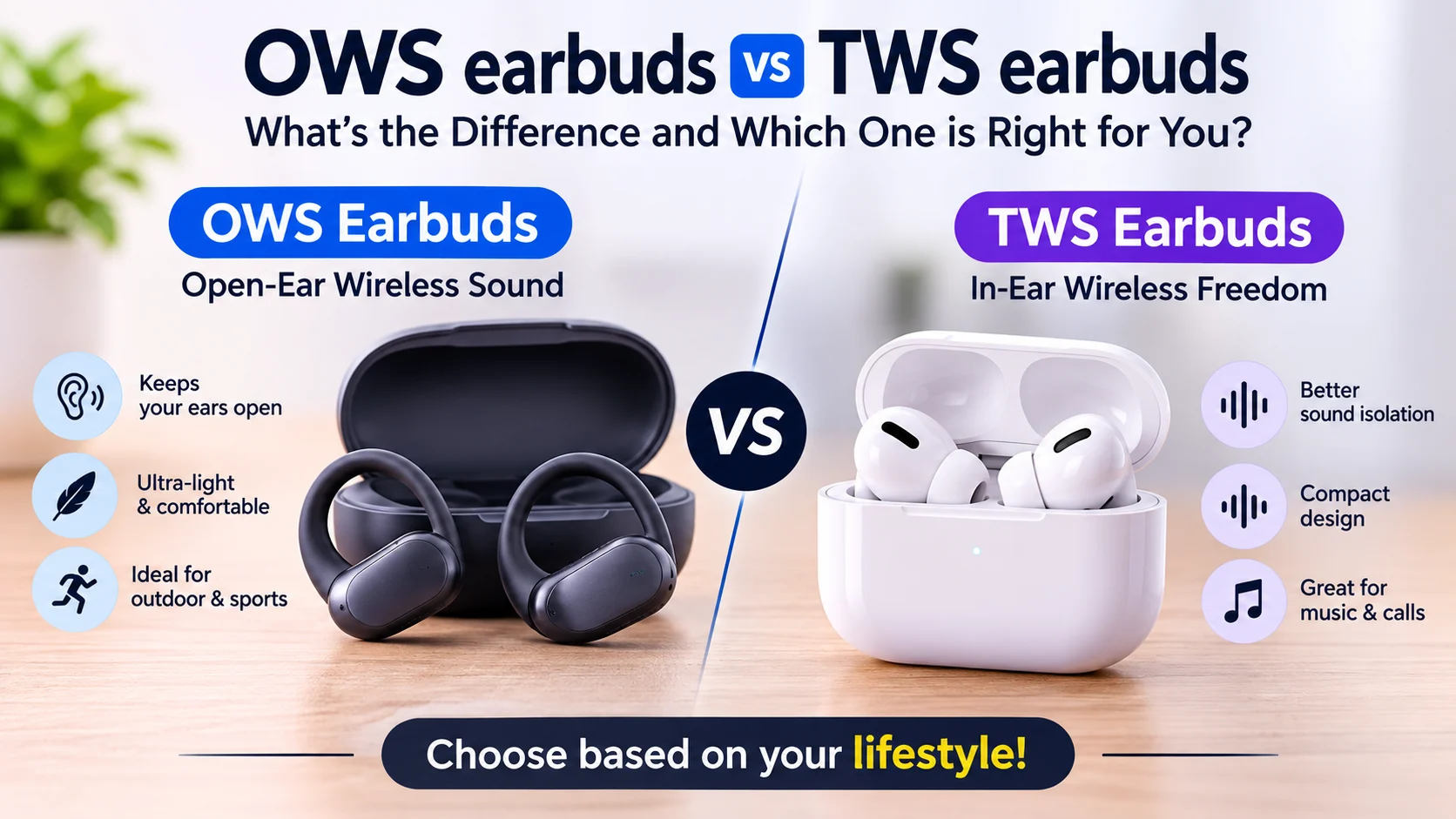
OWS earbuds change the experience by removing the sealed fit and keeping the ear canal open while still pushing sound toward the ear. That sounds like a small design shift, but in daily life it changes a lot. The fit feels lighter. The pressure drops away. And the whole listening experience becomes less about blocking the world and more about sharing space with it.
That’s why open ear wireless earbuds can let you hear traffic while walking, notice someone speaking nearby at home, or stay aware in an office without feeling cut off from the room. If you’ve ever worn earbuds for hours and felt that “I need to take these out for a minute” urge, this is the part that starts to make sense very quickly.
They are not trying to replace every earbud; they are built for less pressure and more awareness. That’s the core idea, really. Some people want a private listening chamber. Others want audio that sits beside their day instead of shutting it out.
Comfort is the real dividing line, not just the shape
Comfort stops being a side note once earbuds are worn for several hours instead of twenty minutes. A lot of products feel fine in the store or for a quick test. The real test comes later, when you’re on a long call, working through the afternoon, or wearing them on and off throughout the day.
Pressure inside the ear canal, a slightly wrong ear tip, or a sealed feeling that seemed fine at first can turn into irritation by the end of the day — which is why comfortable wireless earbuds matter more than most spec sheets suggest. The difference is subtle at first, then suddenly not subtle at all. One pair fades into the background. The other keeps reminding you it’s there.
The Baseus Bowie MC2 leans into that with CloudComfort 2.0 and an open ear structure designed for longer daily wear without pushing tips deep into the ear canal. That matters more than it may sound on paper. For a lot of people, comfort is the feature that decides whether earbuds are used every day or left in a drawer.
Why sound tuning matters more for open-ear models
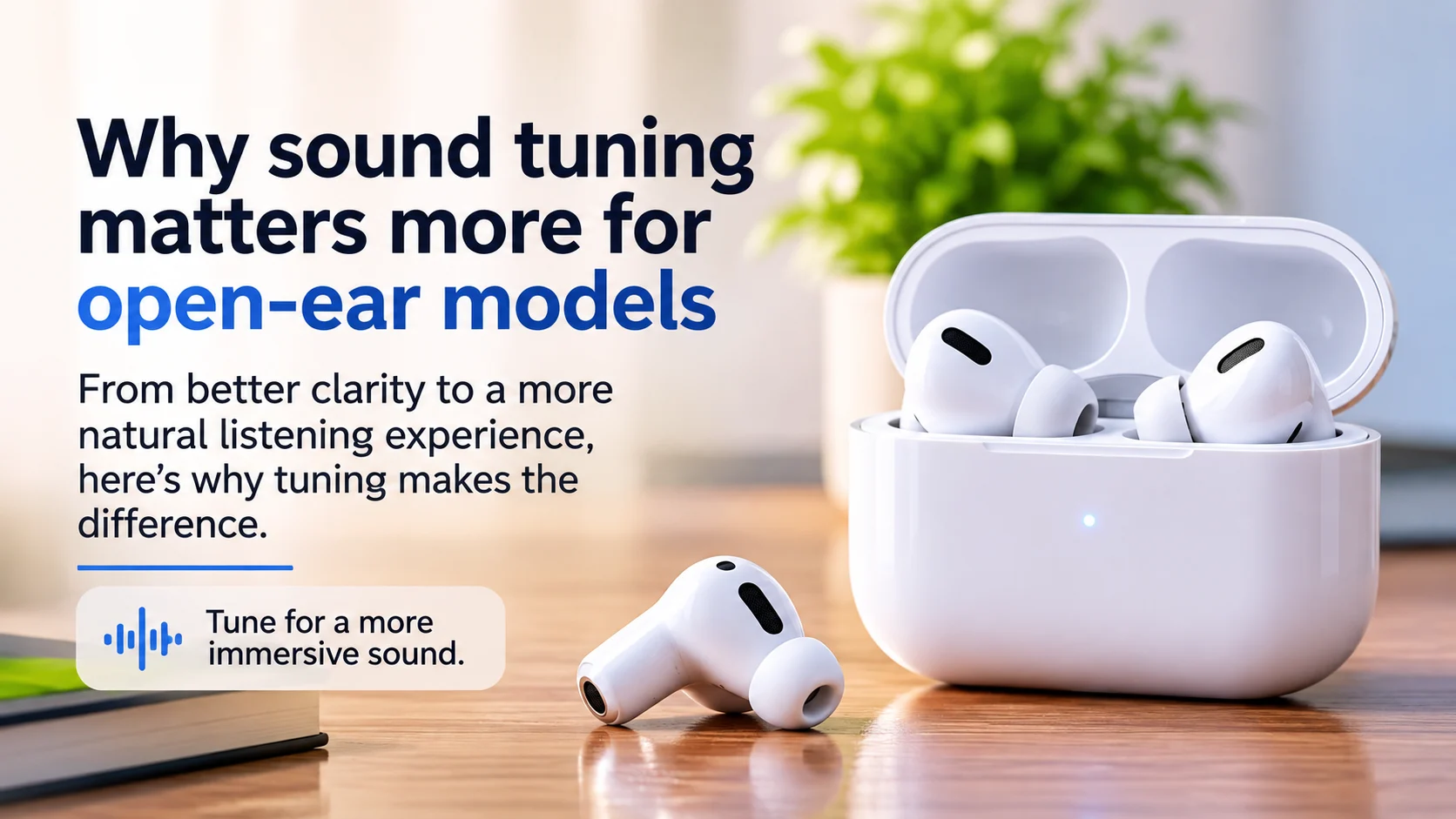
Open ear clip on earbuds have a harder audio job because they cannot lean on an ear canal seal to hold bass and isolate sound. That’s a big reason why people sometimes assume open-ear models will always sound weak. But the better way to think about it is this: the design asks more from the tuning. The hardware has to do more of the work.
That makes tuning, driver quality, and sound processing the difference between “comfortable but thin” and something people actually keep using. A good open-ear model doesn’t try to fake the same sound signature as sealed earbuds. Instead, it leans into clarity, balance, and enough bass support to feel satisfying without pretending it can trap sound the same way an in-ear bud can.
Baseus Bowie MC2’s sound stack and connection features
The Bowie MC2 is listed with SuperBass 3.0, Hi Res Audio, LDAC support, Bluetooth 6.0, multipoint connection, low latency, app support, and IP67 water resistance. That’s a lot of features for a category that used to be talked about mostly in terms of fit. And that shift says a lot about where open-ear products are heading.
Those details matter because the category is no longer just about openness; it now has to deliver usable sound, stable wireless behavior, and everyday durability too. Bluetooth 6.0 is especially relevant if you care about a smoother, more modern wireless experience, while IP67 protection makes the earbuds feel more realistic for active daily use. Add in longer battery life and the picture becomes clearer: this isn’t just a casual audio gadget anymore, it’s meant to live in your routine.
Why awareness becomes a feature during walking, workouts, and commuting
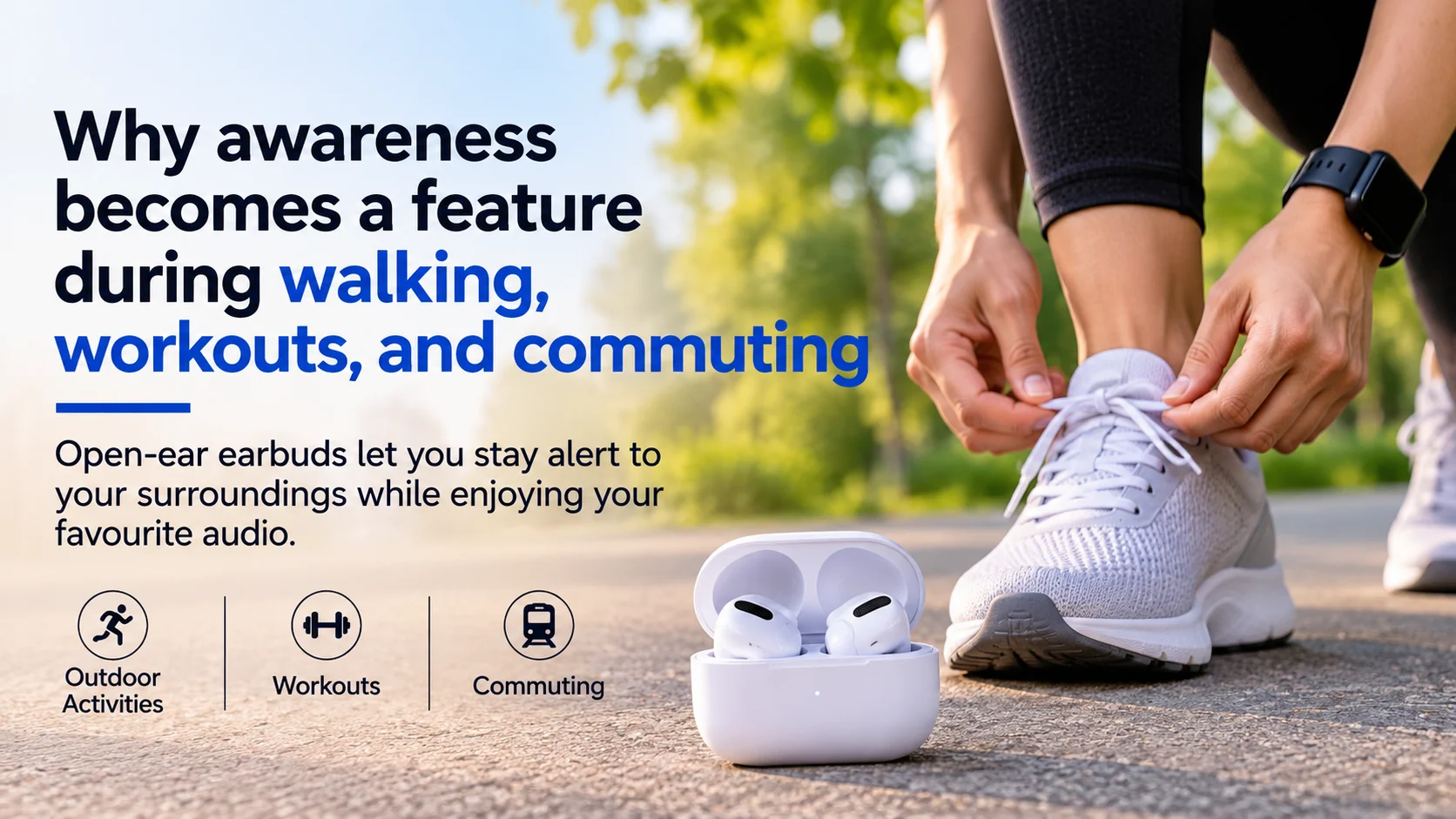
OWS earbuds make more sense when complete isolation is a downside instead of a benefit. That’s the part people sometimes miss. Awareness isn’t just a safety bonus. In many situations, it’s the reason to choose the product in the first place.
For walking near traffic, exercising outdoors, commuting through busy stations, or working in shared spaces, open ear wireless earbuds keep environmental sound in play instead of sealing it out. You can hear a bike approaching, notice an announcement, or catch someone calling your name without ripping an earbud out. That may sound small, but in everyday life it’s actually a pretty big convenience.
That makes awareness feel less like a compromise and more like the whole reason to choose them. If your day is full of quick interruptions, quick conversations, and movement from one place to another, an open design starts to feel very natural.
Where the Baseus Bowie MC2 fits in this comparison
The Bowie MC2 is a clear example of where open-ear clip on earbuds are heading: more comfort-led, but also more fully featured. In the past, people often treated open-ear designs as niche products for very specific use cases. Now they’re starting to look like everyday tools, which is a meaningful shift.
Its mix includes CloudComfort 2.0, SuperBass 3.0, Bluetooth 6.0, IP67 waterproofing, and long playtime, which puts it closer to a daily-use wearable than a one-note audio accessory. That combination matters because it tells you the category is trying to solve more than one problem at once. Not just comfort. Not just awareness. Not just battery life. All of it together.
That’s what makes the category feel more serious now, especially for users who want one pair for work, movement, calls, and casual listening. The best part is that it doesn’t feel like a weird compromise anymore. It feels like a different kind of priority.
Which one should you choose?
Choose TWS earbuds if your priority is stronger isolation, more private sound, and better blocking of noise on loud travel or focused work. If you spend a lot of time on planes, in loud commutes, or in environments where you really need your audio to stay inside your head, that sealed design still makes a lot of sense.
Choose OWS earbuds if you care more about comfort, awareness, and easier long-term wear, especially for walking, commuting, workouts, and office multitasking. This is the kind of choice that becomes obvious once you think about how often you actually wear earbuds, not just how they sound for a ten-minute demo.
The decision is less about which design is “better” and more about which one matches the way you actually listen. That’s the honest answer. The best earbuds are the ones you can wear without thinking about them too much, and the right design usually depends on what your day looks like.
FAQ
These questions come from the smaller doubts people still have after they understand the main tradeoff between sealed listening and open-ear wear.
Q: What does OWS mean in earbuds?
OWS usually means open wearable stereo. It refers to earbuds that use an open ear design instead of sealing inside the ear canal. In plain language, it means the earbuds sit in a way that keeps you more connected to your surroundings while you listen.
Q: Are open ear wireless earbuds more comfortable?
Often, yes. They reduce ear canal pressure, which makes them easier to wear for long stretches than many traditional in-ear designs. That’s especially noticeable if you’ve ever felt soreness, heat, or that slightly trapped feeling after a long session with sealed earbuds.
Q: Do open ear clip on earbuds sound good?
They can, but only if the tuning is strong. Because they do not rely on a seal, bass tuning, drivers, and sound processing matter more. Good open-ear models can sound pleasantly full and clear, but they need to be engineered carefully to get there.
Q: Are Bluetooth 6.0 earbuds worth considering?
They are worth considering if you want a newer wireless platform, but the real experience still depends on fit, battery life, call quality, app support, and connection stability. In other words, Bluetooth 6.0 is helpful, but it’s not the whole story. The rest of the design still has to hold up.
Conclusion
OWS earbuds vs TWS earbuds comes down to how you want audio to sit inside your day: sealed and isolating, or open and easier to live with. Once you think about actual routines instead of spec sheets, the choice gets a lot clearer.
If you want private sound and stronger noise blocking, TWS still makes sense. If you want comfort, awareness, and longer wear without ear canal pressure, OWS is the more practical choice. And if you’re looking at newer open-ear options like the Baseus Bowie MC2, you can see how far the category has come — with Bluetooth 6.0,
IP67 protection, and long playtime making the design feel far more everyday-ready
than it used to.
So, the real answer isn’t about which one wins overall. It’s about which one fits the way you live.