10 Android Phone Charger Safety Mistakes That Wear Out Batteries Faster

Introduction
Overcharging, heat, and cheap accessories can damage batteries fast, which is why android phone charger safety matters more than most people notice.
The real issue is that charging looks simple, but a few routine habits can quietly shorten battery life, slow performance, and create avoidable safety risks.
Quick Highlights
- Heat is the biggest hidden battery killer.
- Cheap chargers and cables can do real damage.
- Keeping a phone between 20% and 80% helps battery life.
- Overnight charging is convenient, but not always ideal.
- Certified accessories are worth the extra care.
And honestly, that’s where a lot of people get tripped up. The habits that feel harmless — leaving the phone plugged in, using a random cable, charging in a hot room — are often the ones that cause the most wear over time. So if your battery seems to be dropping faster than it used to, the charger setup is a good place to look first.
Why cheap chargers and bad cables cause the fastest damage
Bad charging usually starts with the parts people try to save money on: the charger and the cable.
Unbranded chargers can trigger overheating, unstable current delivery, and short circuits, while frayed or low-quality cables lead to spotty connections, reduced charging speeds, and even sparks.
KDM India positions certified accessories as the safer path because they support smooth current supply and longer device life.
What makes an unbranded charger risky
A cheap charger overheating risk is not just about heat; it is also about missing safety features and inconsistent power delivery.
The raw problem is blunt: lower upfront cost can mean battery wear, device damage, and personal safety risk later.
Here’s the thing: a charger is not just a plug that makes electricity show up. It’s supposed to regulate that power in a controlled way. When that regulation is sloppy, your phone may still charge, but it’s doing so under stress. That stress adds up slowly, which is why the damage can feel invisible at first.
It’s a bit like using a shaky ladder because it was cheaper. It may hold for a while, but you probably won’t feel great standing on it every day. Cheap charging gear can work the same way — fine until it isn’t.
Why cable quality is part of the battery conversation too
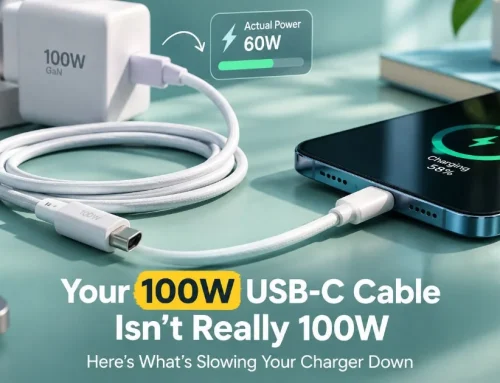
Charging cable quality issues matter because the cable is carrying the current, not just sitting between the phone and the wall.
Reinforced materials and safety layers are presented as the difference between dependable charging and a connection that starts failing before the phone does.
People sometimes blame the phone when charging feels slow or inconsistent, but the cable is often the quiet culprit. A weak cable can create resistance, and resistance turns into heat. Heat, again, is the problem that keeps showing up.
And if the cable is already frayed, bent too often, or poorly made, the connection can become unstable. That doesn’t just make charging annoying. It can also lead to long-term wear on the charging port itself, which is one of those repairs nobody wants to deal with unless they have to.
Why heat is the real enemy during charging
Heat is the thread running through almost every charging mistake here, and it shows up in different forms: overcharging, overnight charging, using the phone while plugged in, and charging in bad environments.
The article repeatedly ties battery damage to temperature, not just to time spent on the charger.
That’s the part many people miss. A battery doesn’t just care about how long it charges. It cares about how warm it gets while doing it. So, even if something seems small — like leaving a case on during charging — it can still matter more than you’d expect.
Overcharging still creates stress even with smart charging
Today’s phones may stop direct overcharging, but leaving them plugged in after 100% still creates unnecessary heat.
The safest habit given here is to unplug around 90–95% rather than treating full charge as a place to linger.
Modern phones are smarter than they used to be, sure. They manage charging better and try to protect the battery. But “smart” doesn’t mean “no impact at all.” The battery can still sit under mild stress if it stays plugged in for long stretches after it’s already full.
So if you usually charge to 100% and keep the phone there for hours, that’s not the worst thing in the world. But it’s also not the ideal habit if you want the battery to stay healthy longer.
Overnight charging precautions that actually help
Charging overnight is common because it is convenient, but it can keep a phone warm for hours, especially in a case that traps heat.
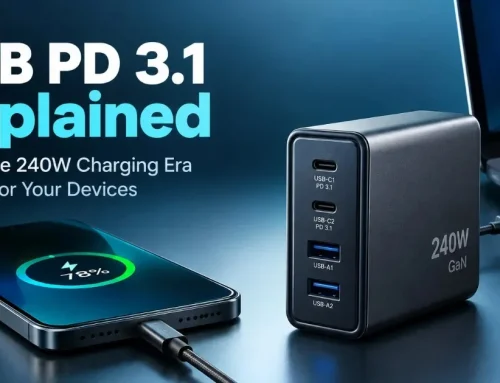
If overnight charging is unavoidable, the phone should rest on a flat, well-ventilated surface, ideally with a good android phone charger from a known brand.
This is one of those habits that feels normal because so many people do it. But convenience and battery health don’t always line up perfectly. If you must charge overnight, the goal is to make the environment as gentle as possible.
A soft bed, couch cushion, or bundled blanket can hold in heat. A solid table is better. A little airflow helps more than people think.
Using the phone while charging adds more heat than people expect
Scrolling, streaming, and gaming while charging creates simultaneous power draw and charging stress.
The issue is not only battery wear — the internal components are also working harder than they should.
Now, this doesn’t mean you can never check a text while the phone is plugged in. Real life happens. But heavy use while charging is a different story. If the phone is gaming, video-calling, or running a hot processor task while also taking in power, the device is basically juggling two jobs at once.
That extra workload creates warmth, and warmth creates wear. It’s a simple chain, but it explains a lot of slow battery decline.
Hot rooms, cars, and humidity make charging worse
Charging in hot vehicles, direct sunlight, or humid environments increases wear and can cause irreversible damage.
The article’s answer is simple: keep the charging spot cool, dry, and ventilated.
Think about a parked car in the sun. Even if it doesn’t feel extreme to you for a minute or two, the inside temperature can climb fast. A phone charging in that space is not getting a break. It’s already dealing with ambient heat, and then charging adds more on top.
Humidity isn’t great either. Moisture and electronics are never a charming combination. The safest approach is boring, but boring usually works: stable room temperature, no direct sunlight, no damp corners.
Battery habits that determine how long lithium-ion cells last
Some damage comes less from the charger itself and more from how the battery is cycled day after day.
The clearest battery-life marker in the raw content is the 20% to 80% range for lithium-ion batteries, with a practical top-up point around 25% instead of draining to zero.
This is where a lot of people get a helpful reset. Batteries are not happiest at the extremes. They prefer staying in the middle range most of the time. You don’t need to obsess over percentages every minute, but the general pattern matters.
Why letting the battery hit 0% keeps hurting it
Frequent full drain cycles shorten battery life because the cells are being overworked.
The article connects that behavior to fewer charge cycles over time, which means a shorter useful lifespan for the phone.
If you’re used to waiting until the phone is nearly dead before plugging in, that habit feels normal because we all grew up hearing batteries should be “used fully.” But lithium-ion cells don’t really love that old advice.
Letting the battery crash to 0% repeatedly puts more strain on it than charging earlier does. It’s not dramatic in the moment. It just slowly takes a bite out of long-term performance.
What the 20% to 80% range is trying to preserve
Lithium-ion batteries perform best when they stay away from the edges.
The message is practical, not obsessive: don’t chase perfection, just stop treating 0% like normal and 100% like a place to stay.
That 20% to 80% range isn’t a magical law. It’s more like a useful comfort zone. If your day doesn’t line up neatly with that range every single time, don’t panic. The point is consistency, not perfection.
A good habit might be plugging in around 25% when you remember, and unplugging once it’s comfortably charged rather than leaving it at full for hours. Small changes like that can stretch battery health more than people expect.
How charger habits, storage, and fake products quietly undermine safety
Not every risk happens while the phone is actively charging.
Bad storage habits, counterfeit products, and failure to update charging behavior all add up, and the article treats them as part of the same safety problem.
That’s important because people often think only the charging moment matters. But the charger in your drawer, the spare cable in your bag, and the way you buy replacements all affect what happens the next time you plug in.
What to do with chargers when they are not in use
Excessive coiling, dust exposure, and moisture all shorten charger life.
The recommended storage pattern is neat, folded, and kept away from direct sunlight or moisture — a basic move, but one that supports safer long-term use.
This sounds almost too simple, but simple is often where the real difference is. If you stuff chargers into a drawer with sharp bends and dust collecting on the plug ends, you’re quietly shortening their working life.
Keeping them loosely folded and dry doesn’t feel dramatic, but it helps preserve the cable jacket, the connectors, and the overall reliability of the setup.
Why counterfeit charger safety is a real issue
Imitated chargers may look branded but lack safety certifications, which creates risks of battery damage, slower charging, and fire.
Buying from genuine outlets or authorized dealers is presented as the only reliable way to get authentic products from a legitimate mobile phone charger manufacturer such as KDM India.
This is one area where appearance can be very misleading. A fake charger can mimic the look of the real thing closely enough that a quick glance won’t help much. But inside, the parts can be cheap, unstable, and unsafe.
And because the problem is hidden, it can be easy to underestimate. The charger may seem to work fine for a few days or weeks, which makes the risk even more annoying. By the time something feels off, the device may already have taken a hit.
Why newer charging features make old habits less useful
Fast charging and adaptive charging are part of how smartphones now manage power, but many users still charge as if nothing has changed.
The article argues that better fast charging phone habits mean adjusting to the technology instead of sticking with the old “plug in whenever” routine.
That’s a subtle point, but a useful one. Phones aren’t charging the same way they did years ago. The software is smarter. The hardware is more sensitive. The charging speed is often faster. So the old habit of just tossing the phone on the cable and forgetting about it doesn’t always line up with what the device actually needs.
Adaptive charging is there to help, but it doesn’t remove the need for decent habits. It’s more like a safety net than a free pass.
FAQ
These are the smaller doubts that come up after people recognize the damage is not one single mistake, but a stack of habits.
Q: Is it bad to leave my phone plugged in overnight?
It is safer than it used to be, but it is still not ideal. The phone may not overcharge, yet trickle charging can keep it warm for hours, which adds strain over time.
Q: What battery percentage should I charge my phone at?
The raw guidance here is to keep lithium-ion batteries in the 20% to 80% range when possible, and start topping up around 25% instead of waiting for 0%.
Q: How can I tell if a charger is unsafe?
Look for signs like no safety certification, unstable charging, overheating, or poor build quality. Cheap, unbranded products and counterfeit charger safety issues are both warning signs.
Q: Does cable quality really affect charging speed and safety?
Yes. Frayed or low-quality cables can cause poor connections, slower charging, and even sparks, which is why charging cable quality issues are not a minor detail.
Conclusion
The point of android phone charger safety is not to be fussy — it is to protect battery life, keep charging efficient, and avoid heat-related damage.
If the goal is a phone that lasts, the smarter move is to use certified accessories, avoid unnecessary heat, and stop treating bad charging habits as harmless.